


Blockchain technology as a potential solution has been applied to all of the large ecosystems that have issues with real-time data access, partners privacy, traceability and auditability. The supply chain ecosystem is no exception to that, as typical product recalls cost $8 million per year and this number can be reduced with the improved track-and-trace features of blockchain.
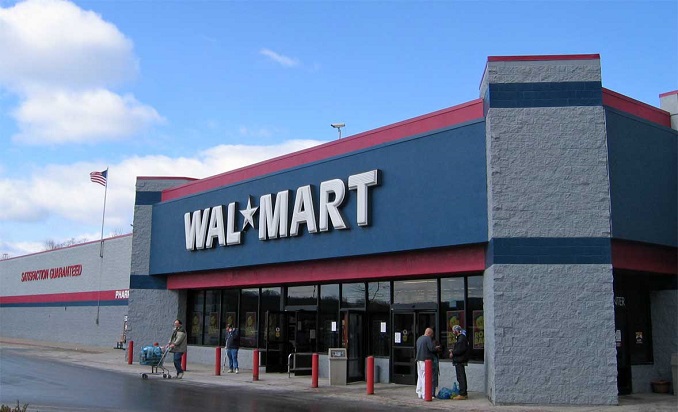
According to Gartner, by 2023, 30 percent of manufacturing companies with more than $5B in revenue will have implemented projects leveraging blockchain. The key drivers for supply chain blockchain adoption are increased cost savings, enhanced traceability and greater transparency. This means a lot even for giants like Walmart, Carrefour, Nestle and Dole, all of which are part of IBM’s Food Trust provenance project.
So, what happened in 2019 in the supply chain space?
There have been large movements on both the business side as existing partnerships and networks grew larger, and also on the technology side as systems and integrations went into production.
One of the most notable developments comes from IBM and their Food Trust initiative developed on the IBM Blockchain platform powered by Hyperledger Fabric. Since its inception in August 2017 the private network has expanded to more than 80 members and has tracked over 1300 products so far. Some of largest partners that are increasing their food safety and reducing food waste are Driscoll’s, McLane, Kroger and Tyson.
Another supply chain initiative, also from IBM, is TradeLens, which started as a partnership with Maersk initially and was later joined by MSC, Hapag-Lloyd, ONE and Canada-based Global Container Terminals (GCT). The main focus of TradeLens is to digitize the supply chain processes and reduce the paper transactions involved in processes like opening accounts, marine cargo insurance issuances and shipping instructions. In 2019 the network grew to 150 members spanning over 80 terminals and ports, and 17 customs offices. There are several other supply chain consortia that we should be paying attention to, like the Global Shipping Business Network (GSBN), Open Trade Blockchain and Wave; as they roll out fully in 2020.
Source: Forbes