

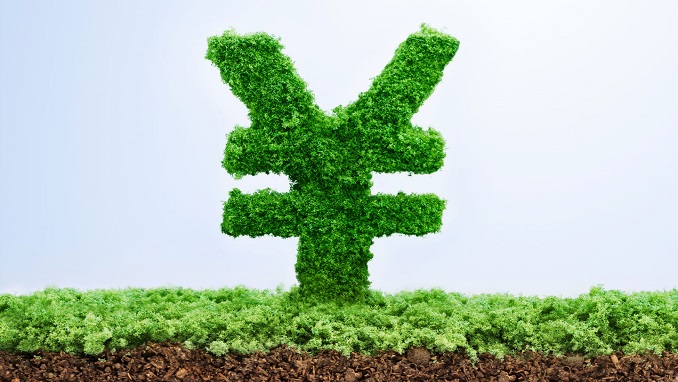

Green bond issuance is down 9% so far this year compared with the first four months of 2019, but the drop is expected to be temporary as carbon reduction remains an urgent focus and green bonds could be used as a post-crisis economic stimulus, according to a report by HSBC.
Sovereign green bond issuance is expected to rise as more countries issue sustainable bonds to prime economies for a green recovery from the coronavirus crisis, and governments increase ESG scrutiny on corporates, particularly those seeking bailouts.
“As and when the Covid-19 pandemic ends, governments may see green bonds as a way to both promote environmental objectives and provide economic stimulus,” HSBC said.
The green bond slowdown is unsurprising as many of the infrastructure projects typically financed by the “use of proceeds” instrument have been put on hold during the coronavirus crisis
The slowdown contrasts with a 166% jump in social and sustainability bond issuance, which is expected to continue to rise in the aftermath of the crisis to fund employment, healthcare, basic infrastructure, food security and SME expenditure.
Green bonds are expected to regain ground, however, as investor demand for sustainable investment continues to rise. Green bond funds have seen inflows of 5.8%, compared to 0.5% for non-green bond funds, the report said.
“We do not think the need to reduce carbon emissions and address other environmental issues has gone away,” HSBC said. “We think green bonds remain well suited for this role.”
The EU is continuing work on a raft of initiatives that is expected to support green bond volume, including the Green Deal in advance of the delayed COP26 climate meeting, the draft Climate Law that makes achieving net zero greenhouse gases by 2050 legally binding, and the consultation on its renewed sustainable finance strategy until July 15.
The Technical Expert Group on Sustainable Finance has also published its final report on the EU Taxonomy, which details exactly which economic activities are green, and a Usability Guide for its proposed EU Green Bond Standard, both of which are also expected to increase green bond issuance.
Sovereign volume is expected to rise in the second half with several deals expected for countries including Germany, Spain and Denmark, but this could increase further if green bonds are used to finance economic stimulus.
The deals will help to diversify sovereign investor bases and could also bring clarity around planned government expenditure, with monitoring and reporting.
“The use of proceeds format and reporting requirements of green bonds would bring greater transparency to the environmental efforts of governments, which they may welcome,” HSBC said.
Concerns have been raised that green bonds may fragment the liquidity of government bond market, but HSBC’s analysis of the “greenium”, or the spread between green and non-green bonds, suggests that sovereign green bonds on average trade slightly tighter than non-green bonds, so should not hurt government funding costs.
The coronavirus crisis continues to put pressure on corporate credit quality through a drop in demand, higher debt levels and increasing coupons, and governments are putting pressure on companies to reduce dividends, curtail share buybacks and potentially reduce management pay as consumer behaviour changes.
Government demands could go further and include ESG considerations. In its recent bailout of Air France, the French state asked the carrier to reduce carbon emissions by 50% by 2024 for domestic flights, reflecting wider social pressure on governments to make sure companies they are supporting behave in a sustainable way.
Source Nasdaq