


Whatever your take on environmental policy and climate change, energy efficiency has generally been neutral territory. So in a world where many are searching for common ground, why is efficiency losing out? According to a new International Energy Agency (IEA) report, improvements in efficiency by 2040 could allow the world to double the value of the energy it uses today.
But digging into the report, advocacy groups find the rate of improvement is slowing. The American Council for an Energy-Efficient Economy points out global energy intensity fell by 2.5% in 2011, but the rate of improvement slowed to 1.7% in 2017 — and absent gains in China, the decline could have been worse.
What is happening? The answer, say experts, is a difficulty in funding energy efficiency. Projects like building retrofits can be expensive, and they take time to pay back.
Efficiency and demand management strategies are oddballs in the energy space, with their ability to provide value and help manage the grid by reducing demand. In some markets, we now pay the same amount to companies to reduce electricity demand as we do to those who supply it. But at the same time, we know demand cannot be reduced to zero.
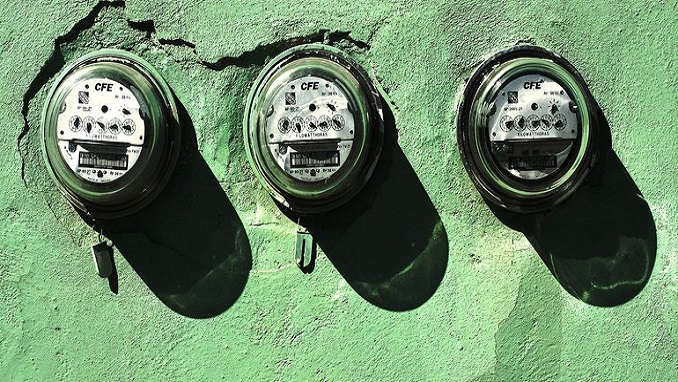
As smart meters proliferate and the industry can accurately measure demand and reductions, system efficiency will look very different, Brenda Chew, an analyst at the Smart Electric Power Alliance (SEPA), told Utility Dive.
“It’s hard to talk about demand response without getting into it in a more existential sense,” said Chew. “There is a big shift in movement.”
A range of demand-side management techniques are being enabled by advanced metering, she said, meaning the resources are “growing with new capabilities.” But as systems become more efficient, the rate of improvement is slowing. The 1.7% drop in global energy intensity in 2017 was the smallest annual improvement of the decade, IEA concluded.
“Recent trends show that policy efforts have weakened in recent years,” the agency said. “Improvements in energy efficiency that were seen in recent years are now slowing down as fewer new standards and policies were introduced in the past two years. This has contributed to the acceleration in energy demand growth that was observed in 2017.”
There are many policies that could help to reverse the trend, but almost universally, efficiency experts say financing is a key. It’s simply difficult to fund because the paybacks are gradual and require large up-front investment.
There is a big push right now to find new ways to pay for efficiency upgrades and to make them profitable. “We need innovation in financing,” said Angela Ferrante, chief marketing officer of Sparkfund, a company that provides efficiency solutions as a subscription service.
The IEA report points to green banks and green bonds as one solution, but Ferrante said the need goes beyond that, into the development of new business models that include “integrating funding in smart, new, creative ways to transform the customer experience for consuming new energy technologies.”
Source Utility Dive