


During the 7th century, the Srivijaya Empire ruled a large swath of Southeast Asia from the Indonesian island of Sumatra. With thriving trade links extending as far as China, historians describe the period as a time when the archipelago’s maritime history flourished.
Recalling its past maritime glory, Indonesia — the world’s largest archipelagic nation — is ready to be a 21st century leader in the sustainable maritime economy through the Archipelagic and Island States (AIS) Forum.
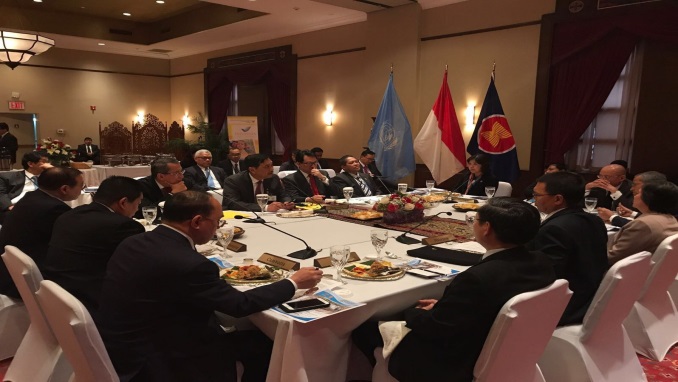
The AIS Forum, which Indonesia created in 2018 with support from the United Nations Development Program (UNDP), brings together both developed and developing nations, which face similar challenges caused by climate change.
They are united in a desire to seek innovative solutions and new partnerships to secure long term sustainable development for their people. For resource-rich Indonesia, the AIS Forum is a perfect vehicle to achieve greater prosperity through the development of a sustainable maritime economy and international cooperation.
Less than a week after the announcement of the country’s new Cabinet, Indonesia is already actively engaging on the international stage through the AIS Forum Summit, which is taking place on Oct. 30 to 31 in Manado, North Sulawesi.
With 28 countries represented, the AIS Forum Summit aims to galvanize commitment to the development of a sustainable blue economy. The summit in Manado will particularly focus on sustainable tourism, which will be the driving force of our ambitious plan to build “10 new Bali” or 10 new international destinations across the nation.
This AIS Forum is part of President Joko “Jokowi” Widodo’s vision to turn Indonesia into a world maritime axis, which sees the integration of Indonesia’s economic development with foreign policy and multilateral cooperation.
President Jokowi first laid out this vision in the beginning of his first term five years ago. “It is also my vision that through this forum, all AIS members can work together to find innovative solutions to address climate change threats and to boost the sustainable blue economy,” Jokowi said.
The summit in Manado comes less than a week after Indonesia launched the Indonesian Agency for International Development (Indonesian AID). The creation of the agency strengthens Indonesia’s growing international role as a provider of development cooperation. Both the AIS Forum and Indonesian AID are the major vehicles for Indonesia to contribute to the achievement of the UN’s Sustainable Development Goals (SDGs).
Considering its massive potential, developing Indonesia’s marine economy will transform the economy and generate a sustainable source of greater prosperity. According to the UN Food Agriculture Organization, Indonesia is the second-highest contributor of marine production in the world, and accounts for nearly 10 percent of global fisheries employment.
Turning this vision into reality requires Indonesia to boost its human capital, allowing the country to capitalize on the enormous potential of its blue economy. It also requires the development of innovative finance to address our most pressing challenges.
Among the innovations coming out of the AIS Forum is the development of blended finance, including blue bond framework, Islamic finance and responsible investments, which will complement the contributions the government of Indonesia and other countries will make.
As an active member state of the UN, Indonesia is fully committed to the SDGs and to the “Leave No One Behind” agenda. The AIS Forum and the successful development of a sustainable marine economy will significantly contribute to the achievement of these goals in Indonesia and in all AIS countries.
Indonesia’s ancestors from the days of the ancient maritime empire coined a phrase in Sanskrit, jalesveva jayamahe (our glory is in the sea). Let us invoke the spirit of this message, as we forge ahead as leaders in the development of a sustainable maritime economy.
Source The Jakarta Post