


Big leaps have been made recently in terms of realizing financial inclusion and socioeconomic development. Last month, the Senate approved on third reading a bill authorizing the expansion of the Islamic banking system in the Philippines, which shall be under the supervision of the Bangko Sentral ng Pilipinas and regulated by the Monetary Board.
We wholeheartedly laud legislative efforts in establishing a concrete Islamic banking framework. As part of the broader umbrella of Islamic finance, we also see how, once enacted into law, this measure can support families affected by humanitarian crises — whether from natural hazards or conflict — so that they may access formal banking systems and become more financially secure. Marawi recovery efforts spotlight this point.
The ability to access quality financial services before, during and after emergency situations is key to communities’ resilience and the sustainability of preparedness and recovery efforts.
Agencies involved in the recovery and rehabilitation of Marawi conflict-affected communities can maximize assistance in reviving the local economy and establishing a more sustainable business sector by considering an alternative financial system such as Islamic finance.
A key lesson learned by Oxfam and its partners in the provision of emergency cash transfers through Sharia-compliant digital mechanisms is that business and livelihood assistance must be inclusive, which means that community buy-in is nonnegotiable, and that strong networks of community support are imperative.
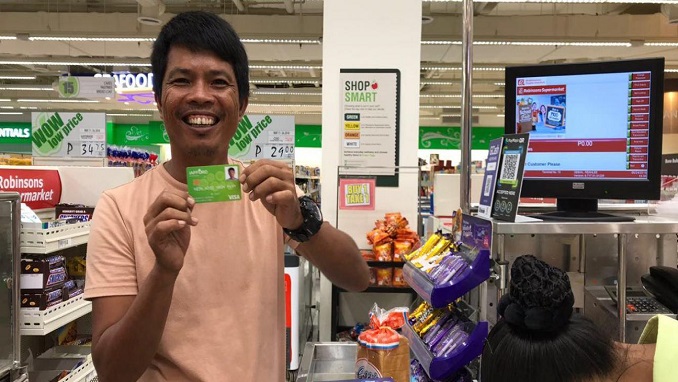
For example, the iAfford, or Inclusive and Affordable Financial Facilities for Resilient and Developed Filipino program, popularly called “ePuyot” in Marawi, addresses financial exclusion directly by being a source of identification and a convenient application of financial services without tedious bank requirements.
When used beyond its prepaid feature, the ePuyot card will be the most cost-effective way for internally displaced persons (IDPs) to access funds and establish their credit score for subsequent formal enrollment in financial institutions, and can also motivate them to start or continue their entrepreneurial endeavors.
It remains, to date, the most concrete mechanism available to Marawi IDPs in sparking viable financial transactions to support social and economic needs, thereby paving the way for micro, small and medium enterprise development.
Source Inquirer