

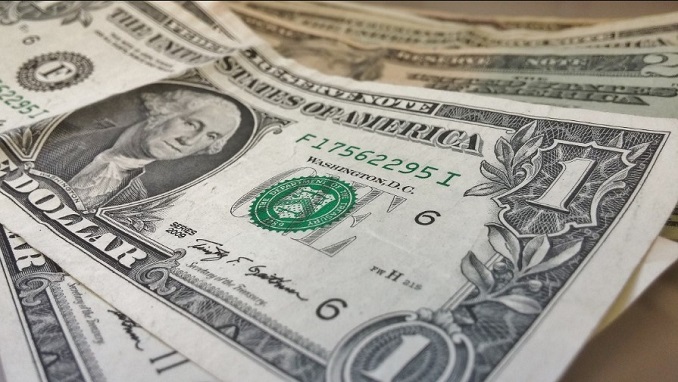

Religious scholars in Pakistan have declared fatwa after claiming that hoarding dollars is a “grave sin”, following an increase in speculative buying of the US currency as the government of Prime Minister Imran Khan struggles to contain a balance of payments crisis.
Pakistanis worried about a further devaluation of the rupee after Islamabad’s announcement earlier this month that the country would go ahead with a $6bn IMF bailout have rushed to buy dollars while money traders have seized on the volatility to turn a profit.
“We have issued a fatwa [religious order] which says that people must not hoard dollars as hoarding creates chaos,” said Maulana Tahir Ashrafi, the head of the Pakistan Ulema Council, a network of Sunni Muslim clerics.
“Unnecessary purchases of dollars must be avoided till such time as Pakistan comes out of the prevailing crisis that we face today,” Mr Ashrafi told the Financial Times.
A cricket star-turned-politician, Mr Khan inherited depleted foreign exchange reserves, a ballooning trade deficit and a mountain of foreign debt when he came to power last year.
But his government has been criticised for taking too long to secure an IMF bailout to restore confidence, having first turned to potential bilateral donors such as China and Saudi Arabia and even floating a bond to bring in money from the country’s diaspora.
Pakistan’s gross domestic product is expected to grow just 2.9 per cent this year compared with 5.2 per cent a year earlier, according to the IMF, while its $8.9bn worth of reserves are barely enough to cover two months of imports.
The rupee hit a record low of Rs153 to the dollar last Monday and has fallen more than 20 per cent against the dollar in the past year, alarming Pakistanis who are facing inflation of more than 7 per cent and rising fuel and power bills.
Muhammad Taqi Usmani, a prominent cleric with a nationwide following, tweeted that “purchasing dollars to hoard and earn profit by the increase in its price is a grave sin and disloyalty to the country in the present economic situation.” The cleric, who served as a judge at the federal sharia court, advises banks on Islamic banking.
A moral suasion campaign on dollars “is in full swing,” said an equity trader in Karachi. “But it’s not having much effect; just look at the price of dollars.”
Finance official Abdul Hafeez Shaikh said Pakistan would early next month announce an “austerity” budget for the next fiscal year ending in June.
“The government’s expenditures will be put at a minimum level,” said Mr Shaikh at a press conference on Saturday. “We are standing together in it, whether civilians or our military.”
Saad Hashemy, an economist at Topline Securities in Karachi, said the government needed to act quickly.
“The economy is probably at its worst point in the last seven years,” said Mr Hashemy. “The key issue is the external account and the high imports. Unless we get some relief on that front, the IMF programme will help control the bleeding but it will not heal the wound.”
The crisis has heaped pressure on Pakistan to curb illicit financial outflows that enable corruption and help militant groups operate on its soil. Islamabad is battling to avoid being blacklisted by the Financial Action Task Force, an inter-governmental body that combats money laundering and funding of terrorism, which would deter investment further.
“Our member countries need to create and improve the enabling environment in terms of security, governance, and transparency in order to encourage the private sector to invest,” said Bandar Hajjar, the head of the Jeddah-based Islamic Development Bank (IDB), the largest development organisation in the Muslim world, during a trip to Pakistan in early May.
Mr Hajjar added that the IDB’s 57 members should focus on reforms to the banking sector and taxation structures if they wished to improve their prospects.
Source: Financial Times