


Abu Dhabi’s Etihad Airways has issued a Dh2.2 billion sukuk linked to its sustainability targets. The terms of the Sharia-compliant bond will have the airline reduce net emissions by half by 2035 and reach net zero carbon emissions in 2050.
While part of the funds will be used for new aircraft purchases, Etihad also seeks to attain a 20 per cent reduction in ’emissions intensity’ across its passenger fleet by 2025. And $300 million will be used for an early repayment of a debt exposure due next year.
The carrier says that it is the world’s first Transition Sukuk and the first Sustainability-Linked financing in global aviation, under a Transition Finance Framework.
“By issuing a Sustainability-Linked Sukuk, Etihad is voluntarily adding to its existing commitments under CORSIA (Carbon Offsetting and Reduction Scheme for International Aviation), and also committing to reduce carbon emissions intensity by over 20 per cent from the 2017 baseline,” says Adam Boukadida, chief financial officer of Etihad Aviation Group.
For the deal, HSBC and Standard Chartered Bank were joint global coordinators and sustainability structuring agents. Abu Dhabi Islamic Bank, Dubai Islamic Bank, Emirates NBD Capital, First Abu Dhabi Bank, HSBC, and Standard Chartered Bank acted as joint lead managers and bookrunners.
Abu Dhabi Commercial Bank meanwhile acted as joint lead manager, and Mashreq Bank was the financial advisor for this sukuk.
“Sustainability and responsible climate action are the most significant challenges facing the aviation industry. As the UAE’s flag carrier, Etihad is committed to sustainable development in aviation in line with Abu Dhabi’s vision,” added Boukadida.
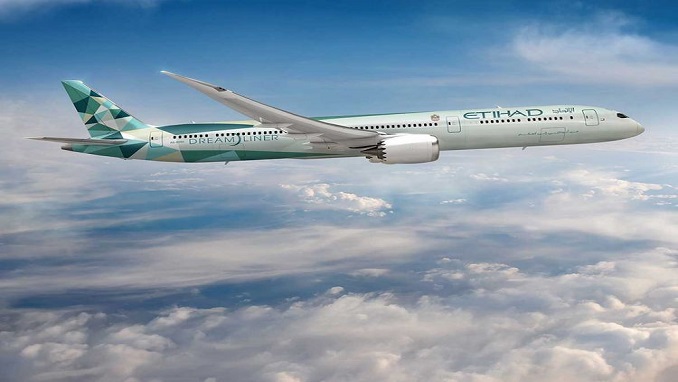
At the Dubai Airshow in 2019, Etihad and Boeing signed an agreement to set up a special ‘Greenliner’ commercial flight which would serve as a “flying laboratory for testing procedures and initiatives that could further reduce fuel consumption and carbon emissions.”
Source Gulf News