


The RFI Summit 2019 held from 28-29 April in Abu Dhabi, UAE included a roundtable on the topic of “Strategic Philanthropy & Islamic Finance”. The roundtable was organised in partnership with Dubai Islamic Bank and the RFI Summit’s strategic philanthropic partner UNHCR, the United Nations Refugee Agency, and hosted by INSEAD at its Middle East Campus in Abu Dhabi.
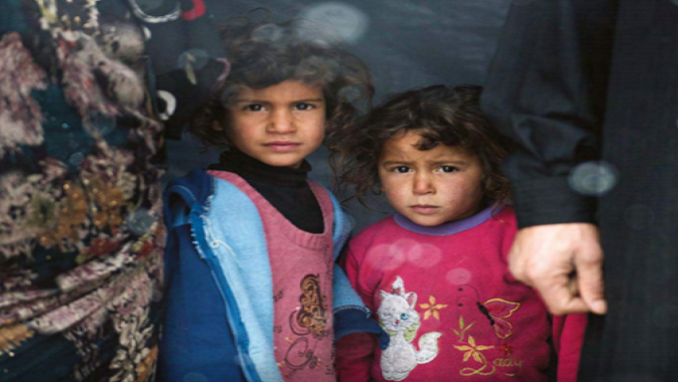
One of the notable initiatives highlighted during the roundtable is UNHCR’s ‘Refugee Zakat Fund’, which was presented by Shadi Ghrawi, UNHCR’s Islamic Philanthropy Officer. The Refugee Zakat Fund was launched by UNHCR from Dubai earlier this year as a globally trusted, efficient and pioneering Sharia-compliant structure that harnesses the power of Zakat to make a positive impact on the world. The Fund allows individuals and Islamic Financial Institutions alike to fulfill their social responsibility by assisting the most vulnerable refugees and IDPs around the world.
The presentation focused on insights to the success of UNHCR’s Zakat collection and distribution between 2016 and 2018, where $14.4 million was raised and channeled in full to 6,888 of the most vulnerable refugee families in Jordan and Lebanon, with demonstrated and measured impact on both the refugee and hosting communities. These achievements were detailed in the newly released “UNHCR Zakat Program: 2019 Launch Report”. A copy of the report is available online.
Additionally, the report draws a roadmap for UNHCR to evolve its experience with Zakat into the Refugee Zakat Fund, and stresses on the importance of strict governance to achieve the highest standards of transparency and impact. The Fund relies on three main governance pillars:
1. Sharia-compliance – trusted: backed by fatwas from leading Islamic scholars and institutions, UNHCR follows the recommendations of the fatwas by dedicating 100% of Zakat funds to eligible beneficiaries, and compliance is monitored by a third party.
2. Financial accountability – efficient: Zakat funds are kept in a dedicated interest-free bank account that allows the ease of tracking the source of destination of funds, and UNHCR issues annual and quarterly Zakat reports to showcase direct and extended impact.
3. Monitoring and assessment – pioneering: beneficiaries are assessed by UNHCR according to established vulnerability criteria, technology such as IRIS scan and mobile wallets are utilized for distribution, which facilitates the process of post distribution monitoring.
This Ramadan, UNHCR is aiming to raise $26 million in Zakat funds to help 24,000 eligible and most vulnerable refugee and internally displaced families in Jordan, Lebanon, Iraq, Yemen, Egypt, Mauritania and Bangladesh. To learn more about the Refugee Zakat Fund, please visit: zakat.unhcr.org.
Source: Malichi.mp